Key Takeaways:
- Learn how Medical Affairs teams can connect, align, and deliver consistent scientific communications.
- Gain expert insights from our Medical Information FAWG on building a global function.
- Discover how a unified approach helps reach customers across regions.
How can Medical Affairs Professionals connect teams, harmonize processes, and enable consistent, high-quality scientific communications?
In today’s podcast episode, experts from our Medical Information FAWG explore what it really means to build a truly global medical information function to reach customers across the regions.
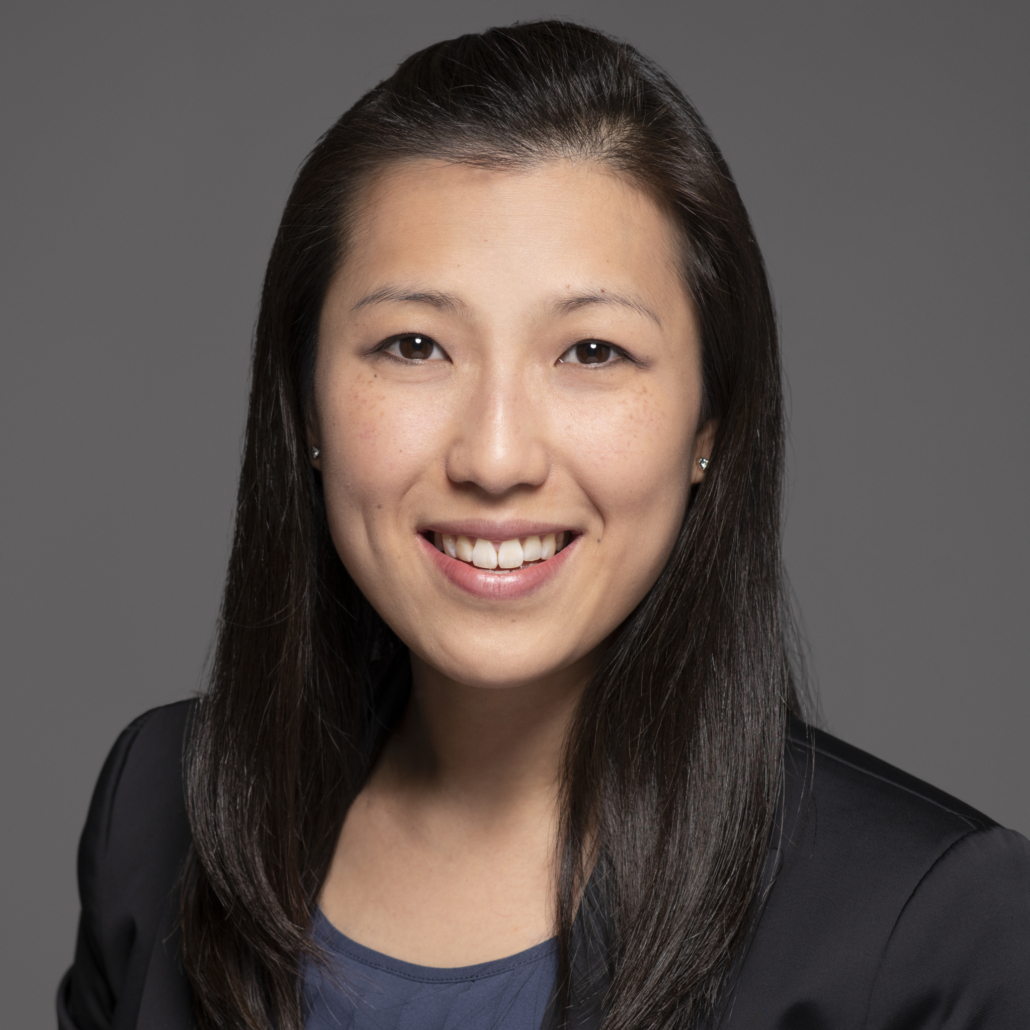
Moderator 1: Lee-Mei Pang
Senior Medical Information & Medical Affairs Leader, Founder of LM Consulting
Medical Affairs Professional Society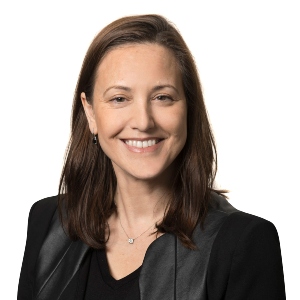
Moderator 2: Karen Raines,
JAPAC Medical Information Lead, Amgen
Medical Affairs Professional Society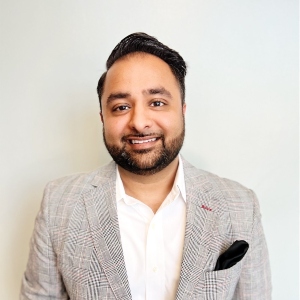
Speaker 1: Ankur Patel,
Director of Medical Affairs, Thoracic Malignancies
Medical Affairs Professional SocietyFollowing is an automated transcription provided by otter.ai. Please excuse inaccuracies.
00;00;05;04
MAPS
Welcome to this episode of the Medical Affairs Professional Society podcast “Elevate”. The views expressed in this recording are those of the individuals, and do not necessarily reflect on the opinions of MAPS or the companies with which they are affiliated. This presentation is for informational purposes only and is not intended as legal or regulatory advice. And now for today’s “Elevate” episode.
00;00;33;15
Lee-Mei Pang
Welcome to Elevate, the Medical Affairs Professional Society’s podcast series. In this episode, we’ll be exploring what it really means to build a truly global medical information function one that connects teams, harmonizes, processes, and enables consistent, high quality scientific communication to reach customers across the regions. I’m Lee-Mei Pang, your co-host for today’s episode.
00;00;57;01
Karen Raines
And I’m Karen Raines. Together, we’ll be discussing the value of global collaboration, how to overcome practical and cultural challenges, and how to build strong relationships that drive alignment and shared learning across diverse teams. Joining us is Ankur Patel, director of Medical Affairs, who’s been directly involved in building a global medical information network. He’ll share his insights, lessons learned and practical tips for teams embarking on this journey.
00;01;24;02
Lee-Mei Pang
Ankur. Welcome. It’s great to have you with us. To start with, can you tell us a little about your role and how you became involved in global medical information work?
00;01;34;01
Ankur Patel
Yes. Thank you for the warm welcome. As you mentioned, I am Core Ankur Patel. I’m a pharmacist by training and have been working in the pharmaceutical industry for ten years within multiple different companies across different functions, including medical information, medical communications and Medical Affairs. And I’m really excited to join both of you today to share some insights from my experiences.
00;01;56;14
Lee-Mei Pang
Thanks for sharing your journey, Ankur. We know that medical information structures can look quite different across the industry. Some companies already have global networks, while others may be just starting out or exploring how to build one. From your perspective. What’s the significance of having a global medical information network and what value does it bring?
00;02;17;26
Ankur Patel
Yeah, that’s a great question. Having a global medical information network has a lot of advantages, and depending on your company and the way it’s structured, there’s a lot of opportunities to really work as one unified team. Starting with harmonization of content across different regions. You know, being in a medical space, the data is the data, regardless of what region you’re in. Also, efficiency is something that’s very big that everyone is focusing on these days. Having a global network really creates an environment to allow different groups to share and adapt existing resources and materials for example, sharing different trackers that have been created in one region, or even response letters that have been developed really helps one region support another. Making sure that not only is content consistent, but also help reducing workload in another area. And another part of having this network is that it also creates a forum for idea or even best practice sharing to really make sure that each function is the best that it can be. Having that small group to really bounce ideas off of, to see what’s new, what what can work, what may have been tried in the past by other regions, and get any feedback on any new opportunities for advancement.
00;03;34;26
Karen Raines
Those are all really great points. Ankur, who wouldn’t want some more consistency, efficiency and alignment across teams? Could you walk us through how you approached building your global medical Information network? I understood that you took a phased approach.
00;03;48;02
Ankur Patel
Yeah. So our approach was very focused on four main areas. We wanted to make sure that we found an opportunity to connect with each region, to really learn and understand what each region was doing. As you’re all aware, each region can have many different roles. Medical information in one region can differ in others, and we wanted to really understand what that was like, not only from a role perspective, but also from a regulation perspective. And then once we were aware of how each region worked, we took this opportunity to share what we were doing and learn more about what each region did. And that really opened the doors for us to understand what are some challenges that others are facing. And we started off with an introductory call where we started to learn and get to know each other. And then we started to have more routine quarterly meetings where we took the learnings from these to really understand the opportunities of what can be shared, what are additional things that we want to know, and how can we use this network to help us innovate and grow as a team.? But overall, we focus on four main pillars connect, learned, share, and innovate.
00;05;02;03
Lee-Mei Pang
That sounds like a really thoughtful, well-planned approach. Taking the time to understand each team, situation and needs before rolling out global initiatives is a great idea. And that mindset applies not only to headquarter driven efforts, but also to regional and local teams seeking to build stronger alignment and collaboration with their global counterparts.
00;05;23;03
Karen Raines
I completely agree. You know, when teams span different geographies and time zones and languages, it’s definitely no surprise that collaboration can get quite complex. And of course, not everyone can be on board immediately with the global initiative. Ankur, could I ask you, how did you navigate the cultural differences and any resistance that rose up when you were bringing diverse teams together under a global network?
00;05;45;25
Ankur Patel
Yeah, it’s a great question. We had to really try to understand, to see what opportunity or what approach was working best for us. As I mentioned, after having an introductory call, we had started to schedule a routine quarterly meetings. After each of those meetings, we had a smaller group have a short debrief to understand how the call went. Were we getting engagement from others? Were some people responsive not only during the call, but to follow up emails and messages? And this allowed us to really take a different approach to understand what trends we were seeing. And overall, we had started this network as something with a very arms open approach. We really wanted to understand and learn and get to know each other. So after each of these calls, we started to adapt our approach. We started having more structured meetings where instead of having one group speak, we had requested each region to present and update, share any challenges that they were facing. And this really helped drive engagement for us. We also noticed that when we had a requested follow up information, such as a survey, or we just wanted additional information, if we had sent a group email to all of the regions together, we had limited responses. But if we had sent the same email individually to each region, we were getting much faster feedback, often overnight versus having to have to wait weeks or even multiple emails for us to get a response. So really trying to reflect on what opportunities are working best for us and adapting our style was helpful. This did take some time to really help us identify what worked best, but once we had that down, it was a lot easier to make sure that we were able to work as one large network that had better communication.
00;07;33;29
Karen Raines
Yeah, that’s definitely a great reminder for all of us. There’s not always, you know, a one size fits all approach. You know, sometimes success comes from experimenting and adjusting a little bit along the way.
00;07;43;17
Lee-Mei Pang
Yeah, that’s very true. Let’s pause to consider company culture differences for a moment. Suppose an organization has just acquired another company, which is not an uncommon occurrence these days. One company may already have a global structure while the other doesn’t. Ankur, can you share how can they start building a network that works for both sides?
00;08;04;28
Ankur Patel
Yeah, I think our approach that I shared earlier would still apply in this setting, focusing on those four pillars to really connect with each company for that, to understand how are they working, what are they doing, and really identify opportunities. Are there things that can be shared? Are there common ground where they can really understand different areas, where they can work together and see what works best? You know, oftentimes during these different settings for organizations to acquire a new company or starting a new global structure, each company may have its own goals associated with it. But starting off with this approach to really understand what is working and what is not, and trying to find a path forward. I think it’s a great approach.
00;08;51;04
Lee-Mei Pang
Thanks, Ankur. That’s really practical advice.
00;08;53;21
Karen Raines
So we’ve now covered a bit of the why and how and the challenges. But then, you know, thinking about those that are just starting out. Ankur, if you had to recommend just one starting point, what should teams focus on first?
00;09;05;18
Ankur Patel
I think having a goal in mind is very helpful an end goal of what you would really like to do, and understanding that this may take some time. As I shared before, there were some times where we had to go back and regroup to see is our approach working? Do we need to pivot and change and make some adjustments to our approach to help us accomplish our goal? For us, the goal was to really create a network where we can openly share content and materials to help each other, but also build a forum for us to communicate and share best practices and opportunities for growth as a overall team. So having that goal in mind, I think is very helpful to really guide the entire group to ensure that they’re all on the same page, and they’re all working towards a common goal.
00;09;51;10
Karen Raines
I agree, this is definitely a great place to start. And for teams that are prioritizing things like infrastructure, digital tools, systems or platforms that we haven’t really touched on yet. Do you have any specific recommendations?
00;10;04;25
Ankur Patel
And this is a great topic, but very challenging. I think starting off, there’s a lot of different things associated to digital tools and systems and platforms. So depending on the company goals it may vary. But I think there’s always a an approach to find what works. So for example looking for opportunities to share access. There are different programs and platforms that can be used that may require additional licenses and costs. With that. That can make things challenging. that There may be other opportunities, such as shared drives or sites that can be used to make it a little easier. But any way to share information? I think early on is a win win when it comes to data. And having that opportunity to share data, look at the results. It could open up opportunities to potentially adapt different programs or tools to really increase the sharing across different regions.
00;11;00;08
Lee-Mei Pang
Thanks, Ankur. Those are some really great practical suggestions, especially the reminder that collaboration and shared infrastructure don’t always need to mean big investments. Sometimes it’s about making the most of what’s already available and what teams are already using. This has been a really fascinating discussion. Ankur. Thank you for taking the time today to share your experience and insights.
00;11;21;21
Karen Raines
Yes. Thank you. You’ve really highlighted that building a global medical information network isn’t just about systems and structure. It’s about connection, understanding and importantly, communication across teams and regions.
00;11;34;07
Lee-Mei Pang
For our listeners, the key takeaways are to start with a shared vision and clear goals for what you want to achieve. Build strong relationships and communication channels. And take the time to really understand each team. A global medical information network drives efficiency, harmonization, alignment, and collaboration, helping teams to save time and effort, work more effectively together and deliver faster, more consistent responses to healthcare professionals and patients. True global alignment happens through people as much as processes, and it takes patience and persistence.
00;12;09;21
Karen Raines
This is certainly an evolving space, so there’s always more to learn, adapt and improve as teams and stakeholder needs grow. Thank you again Ankur for joining us today. And thanks to our listeners for tuning in. Make sure to follow the Elevate Podcast series for future episodes as we continue exploring how to advance Medical Affairs together.

